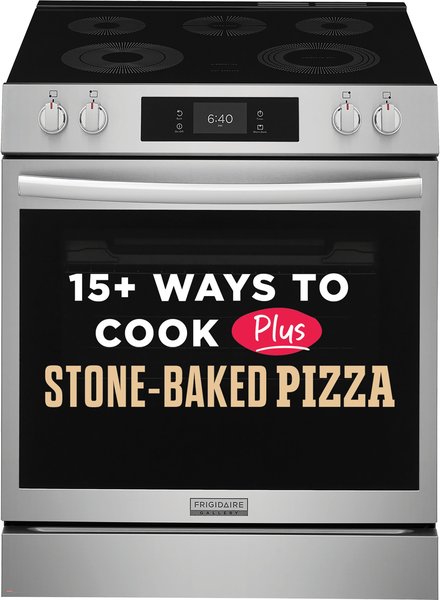
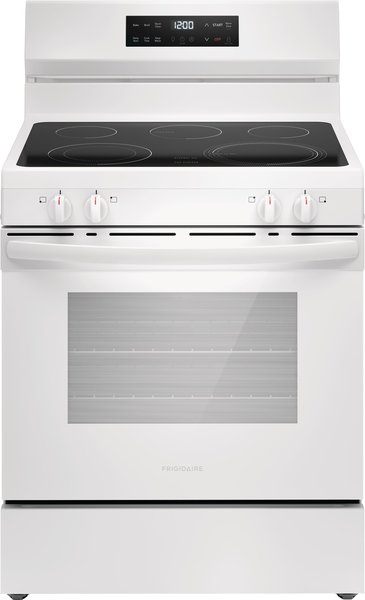
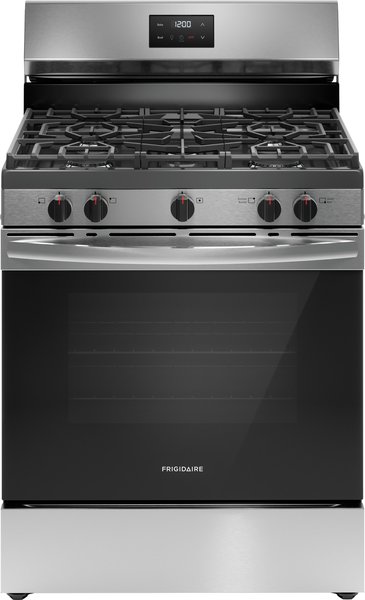
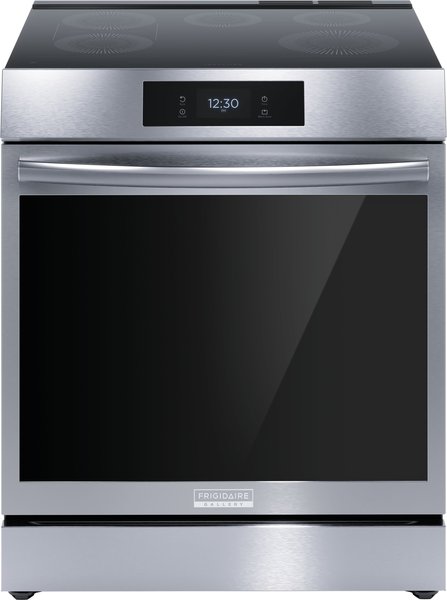
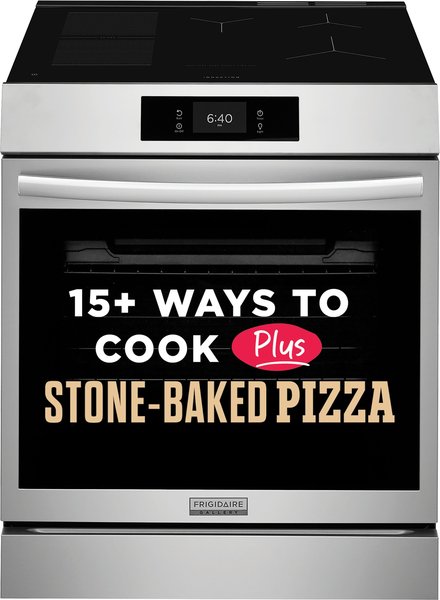
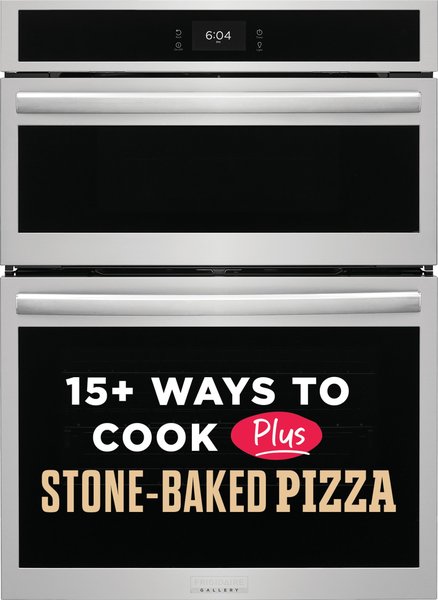
Frigidaire Gallery Stone Baked Electric Range
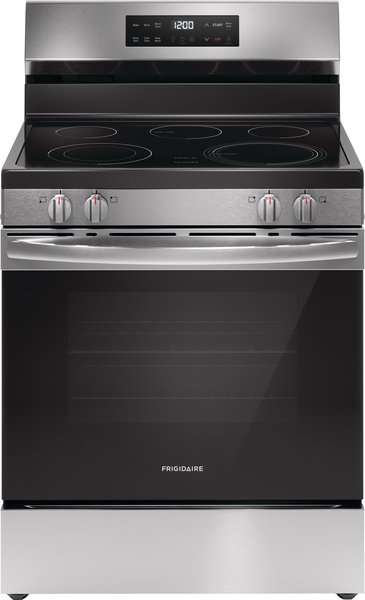
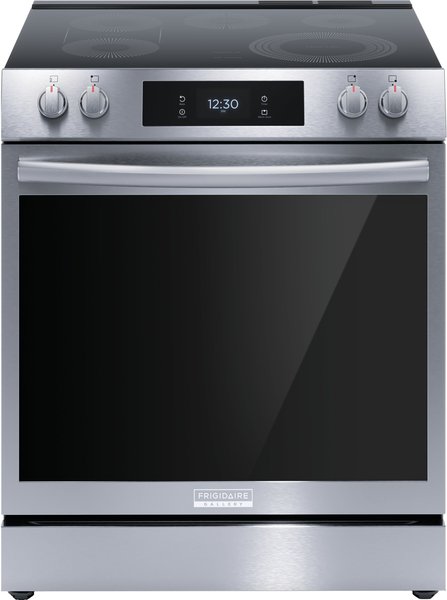
Frigidaire · GCFE3070BF
$1,399.99#1 PICK
The number one oven call I get is an oven that died the day after self-clean. That 900-degree cycle cooks the control board and fuses. Clean it by hand and it'll outlast your car.
Frigidaire · GCFE3070BF
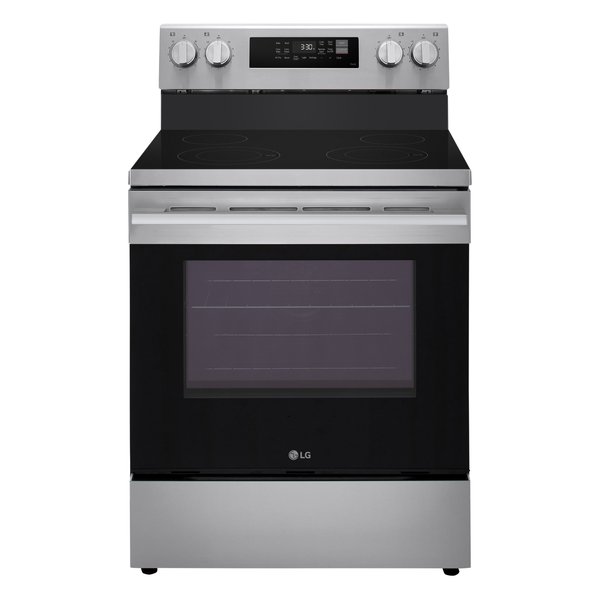
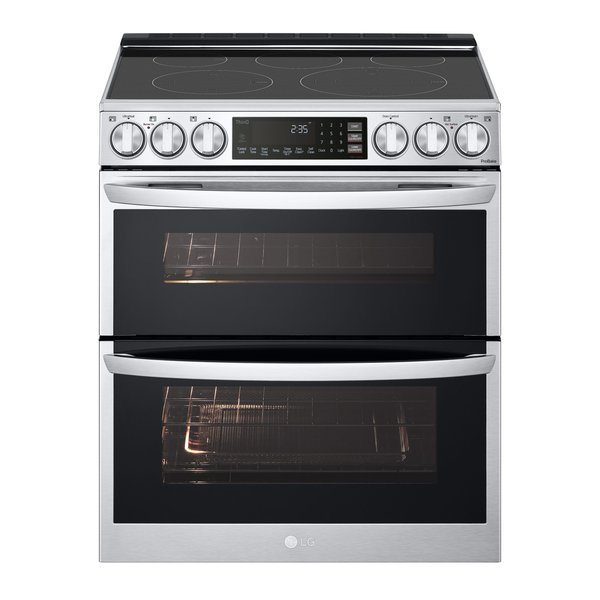
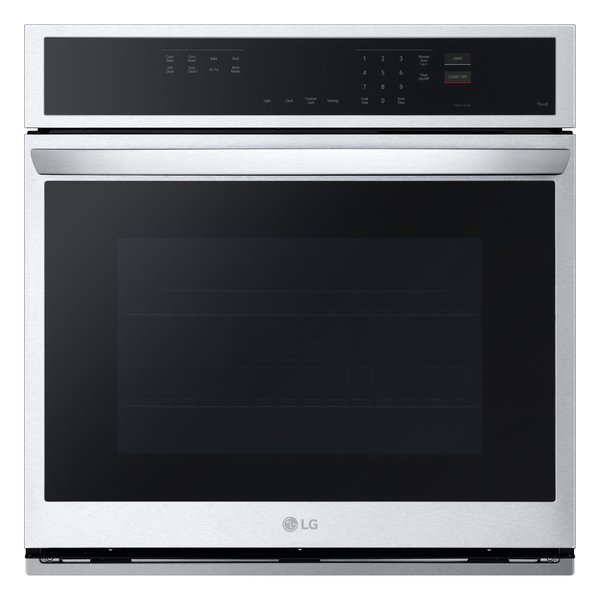
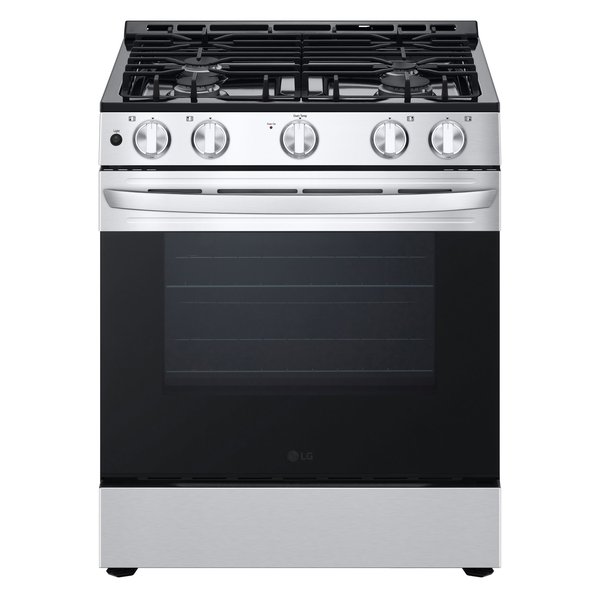
LG · LREN6321VE
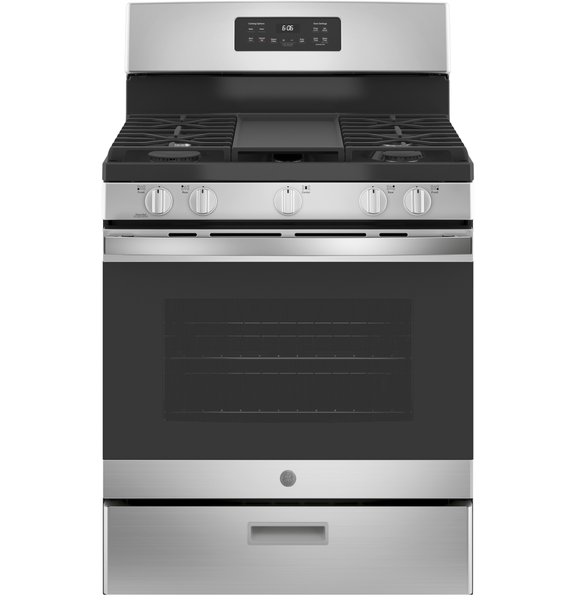
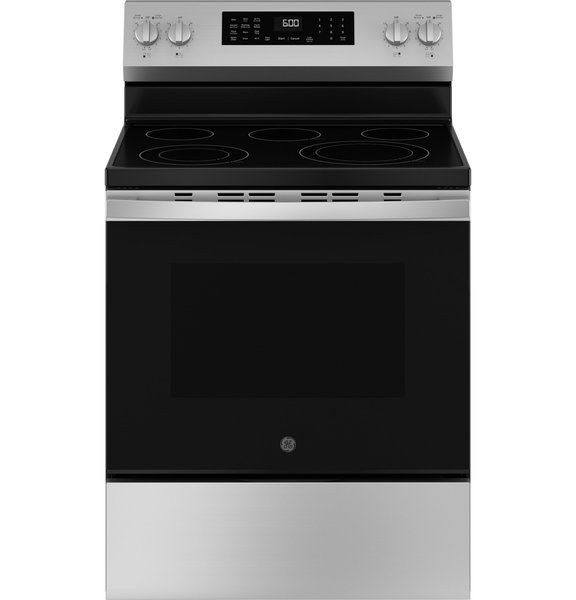
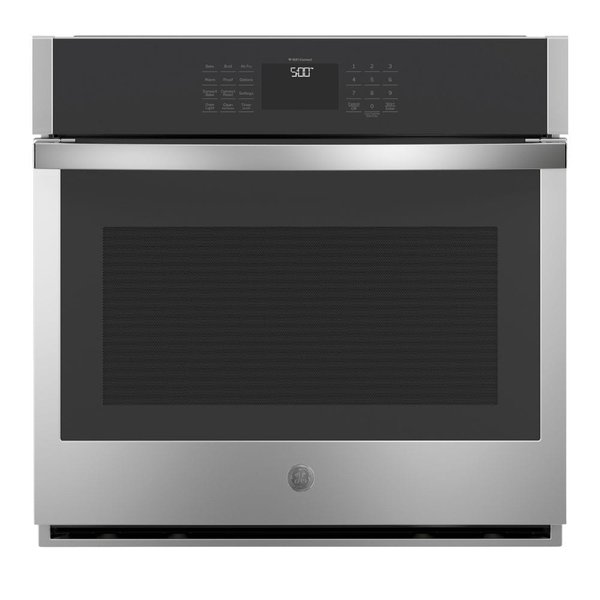
GE · JGBS66REKSS
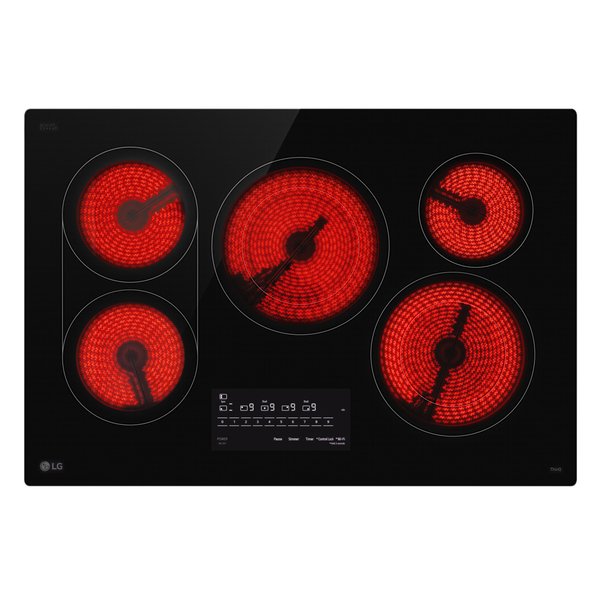
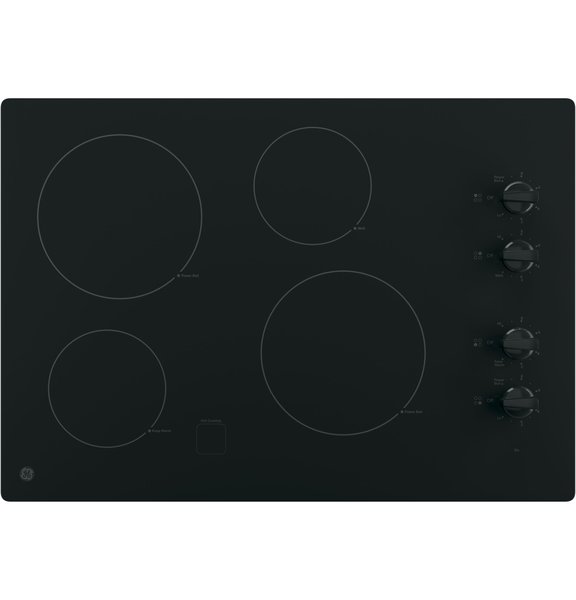
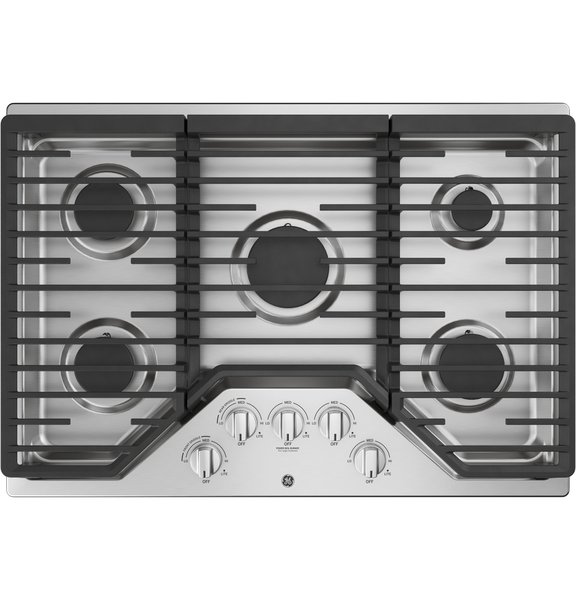
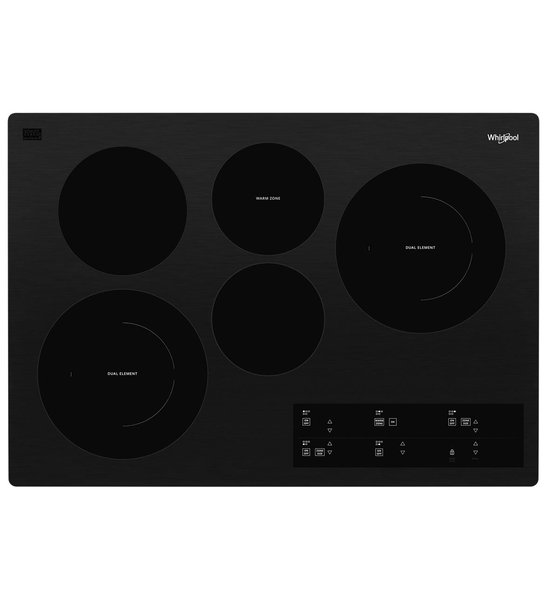
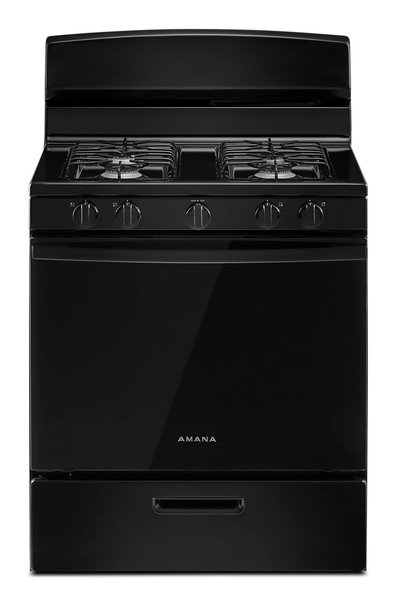
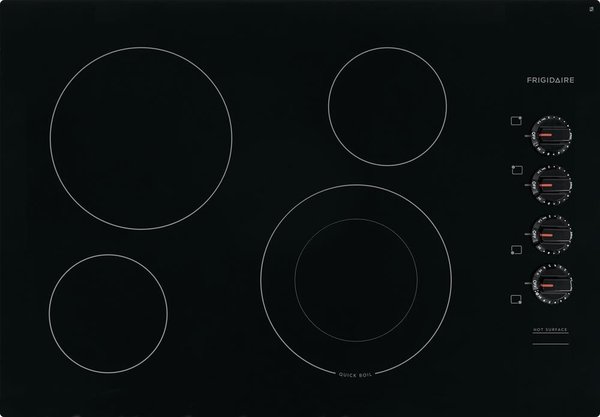
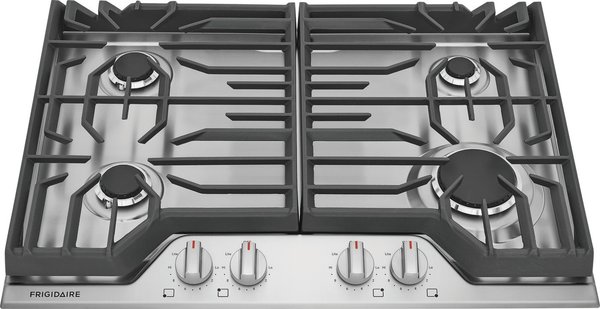
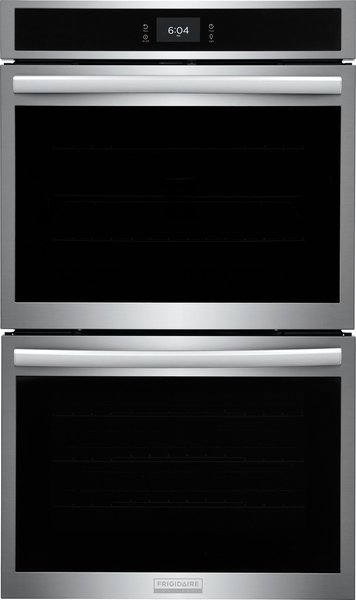
No matches — widen the filters
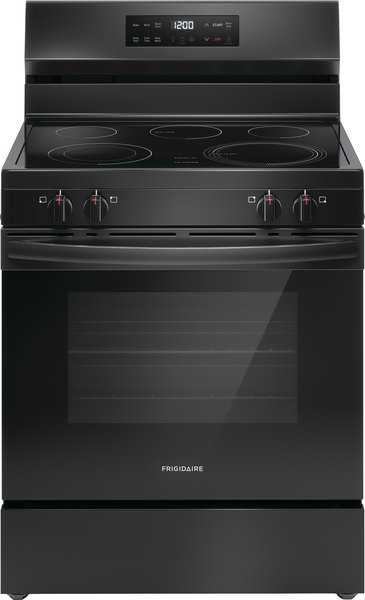
Frigidaire · GCFE3070BF
LG · LREN6321VE
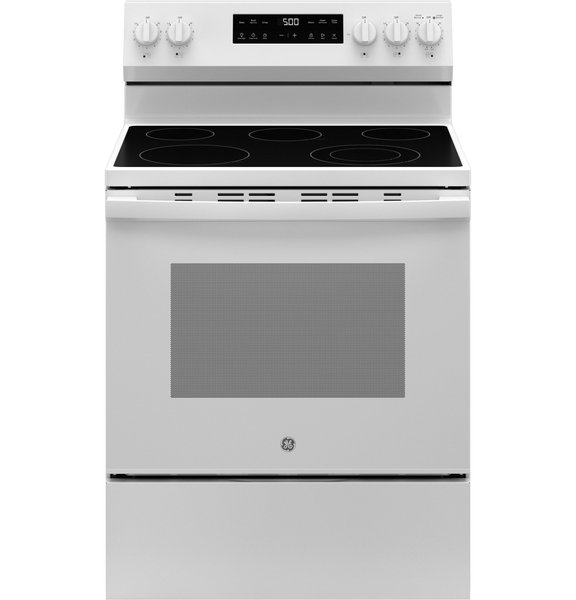
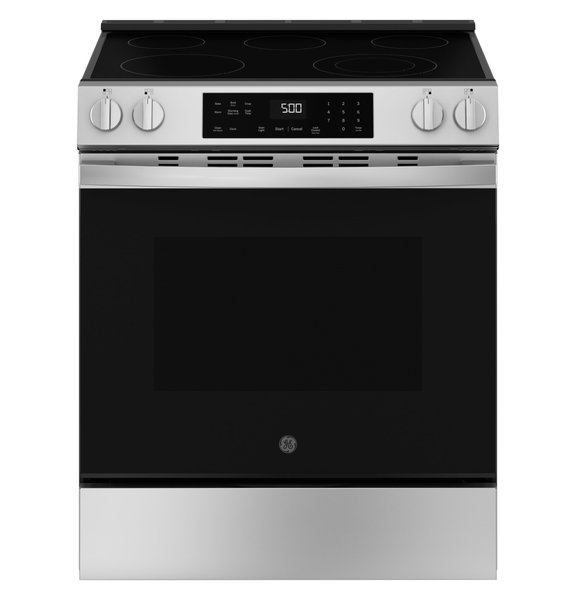
GE · GRF600AVSS
No matches — widen the filters
GE · JGBS66REKSS
Amana · AGR4203MNB
Frigidaire · FCRG3052BS
No matches — widen the filters
Frigidaire · GCFI3070BF
Frigidaire · GCFI3060BF
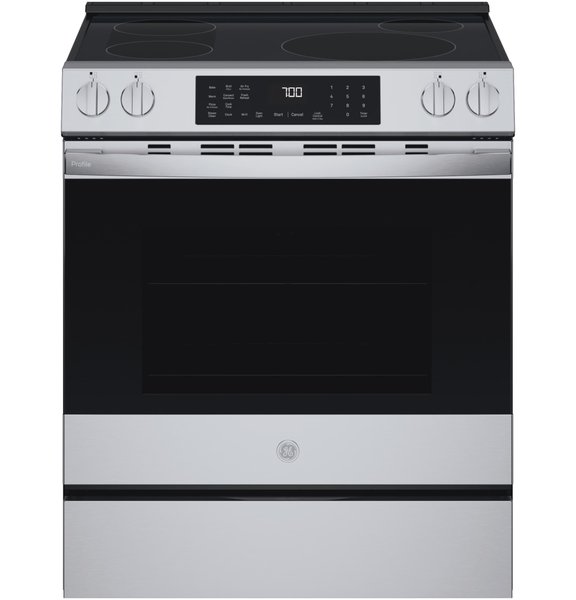
GE · PHS700AYFS
No matches — widen the filters
Frigidaire · FFEC3025UB
LG · CBEW3017BE
GE · JP3030DWBB
No matches — widen the filters
Frigidaire · FCCG3027AS
GE · JGP5030SLSS
Bosch · NGM8659UC
No matches — widen the filters
LG · WSEP4723F
Frigidaire · GCWM3070AF
GE · JTS5000SVSS
No matches — widen the filters
Frigidaire · GCWD3070AF
Frigidaire · GCWD3067AF
GE · JTD3000SNSS
No matches — widen the filters
GE · JBS86SPSS
Whirlpool · WGE745C0FS
GE · JGBS86SPSS
No matches — widen the filters
GE · JVM3160RFSS
GE · JVM6175SKSS
GE · PVM9005SJSS
No matches — widen the filters
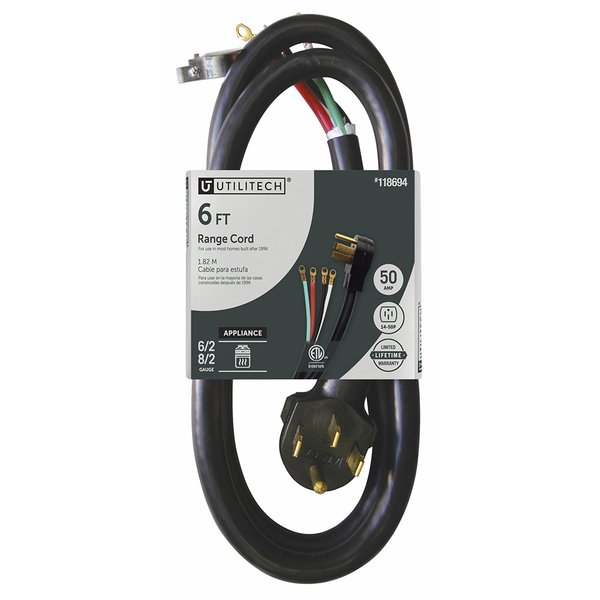
Electric ranges ship without a cord
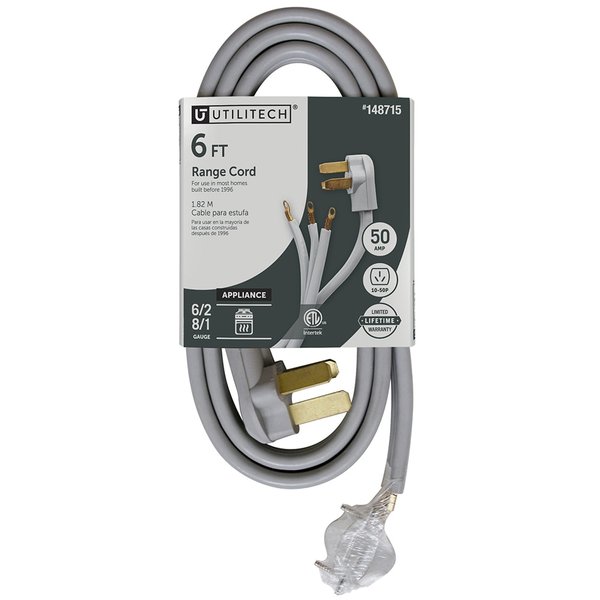
For older 3-slot range outlets, check yours first
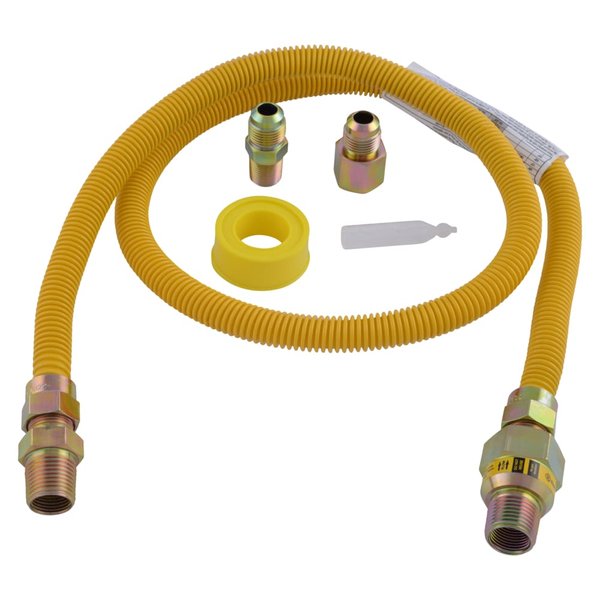
Never reuse an old gas connector. Ever
Gas gives visual flame control and works in a power outage; electric radiant bakes evenly and costs least; induction is the sleeper pick — faster than gas, precise as electric, cool to the touch, and easy to clean. Induction's catches: it needs magnetic cookware (a fridge magnet tells you) and a proper 240V circuit. After a week, almost no one wants to give an induction top back.
It's a convection fan with a marketing budget — but that's not nothing. It genuinely crisps wings and fries better than plain bake, and it clears counter space by replacing the basket appliance. What it won't do is preheat as fast or crisp quite as hard as a little countertop unit. Nice to have; don't pay a big premium just for the badge.
Freestanding has finished sides and a backguard with the controls — it can stand anywhere, including the end of a cabinet run. Slide-in has front controls and unfinished sides, sits flush between cabinets for the built-in look, and usually costs more. If you're replacing a freestanding range, measure before switching styles: slide-ins often expect counter behind them, not backsplash gap.
The repair-tech answer nobody likes: sparingly, if at all. Self-clean runs the oven near 900°F for hours, and it's the single most common event right before a 'my oven died' call — control boards and thermal fuses cook along with the grime. If you use it, do it before a service window, not the night before Thanksgiving. Steam-clean modes are gentler; so is a $6 tub of oven cleaner.