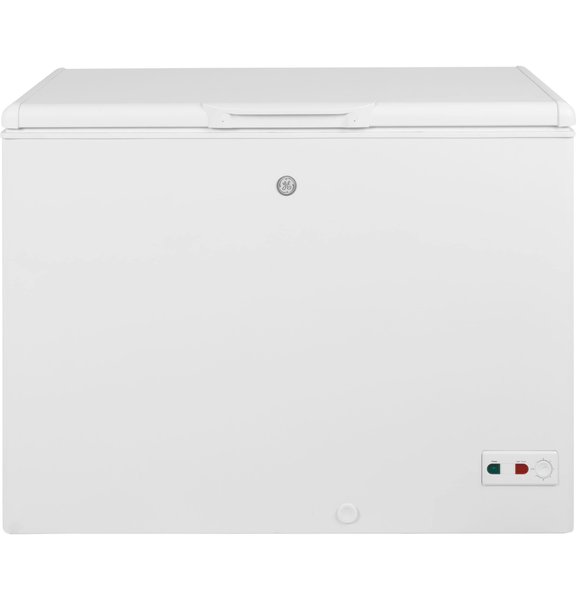
GE 10.7-cu ft Garage-Ready Chest Freezer
GE · FCM11SRWW
$879#1 PICK
Chest freezers basically never die. Uprights cost more per cubic foot, but you can find the roast without unpacking the whole thing.
GE · FCM11SRWW
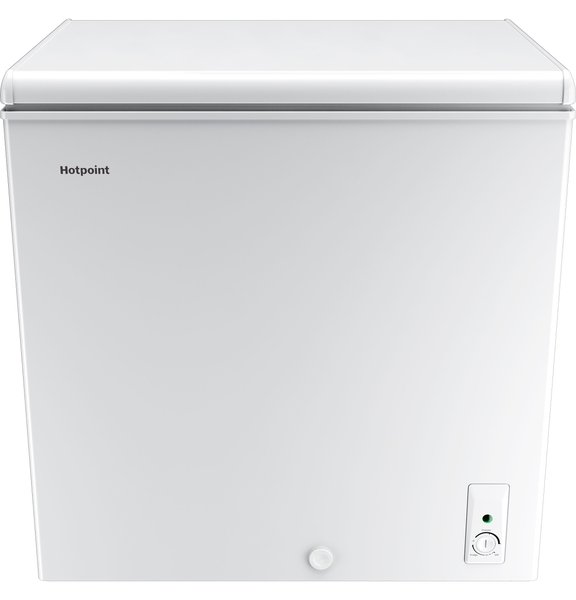
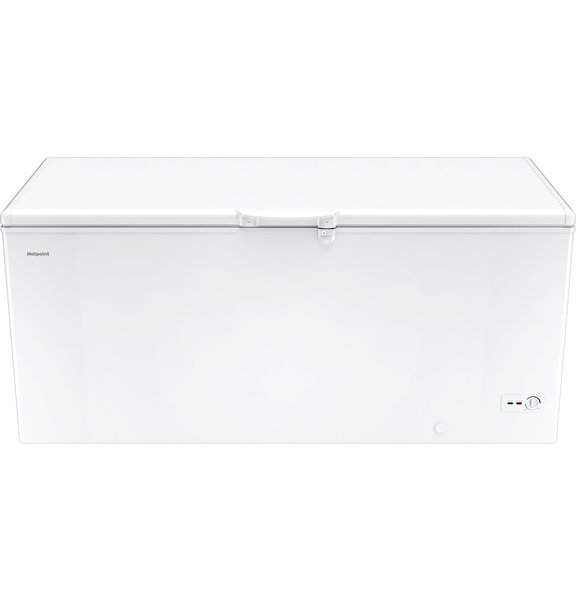
Hotpoint · CM7QWWW
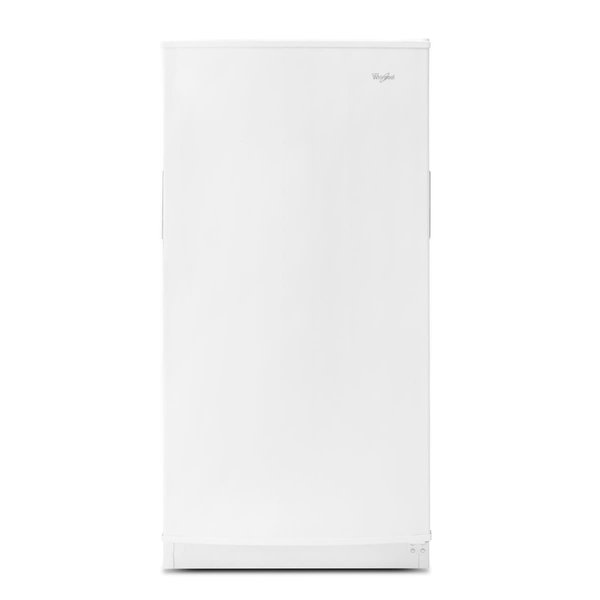
Whirlpool
No matches — widen the filters
GE · FCM11SRWW
Hotpoint · CM7QWWW
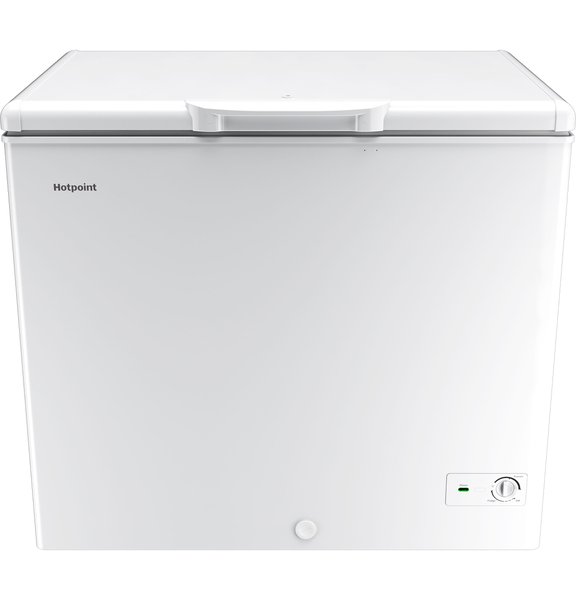
Hotpoint · HCM22QWWW
No matches — widen the filters
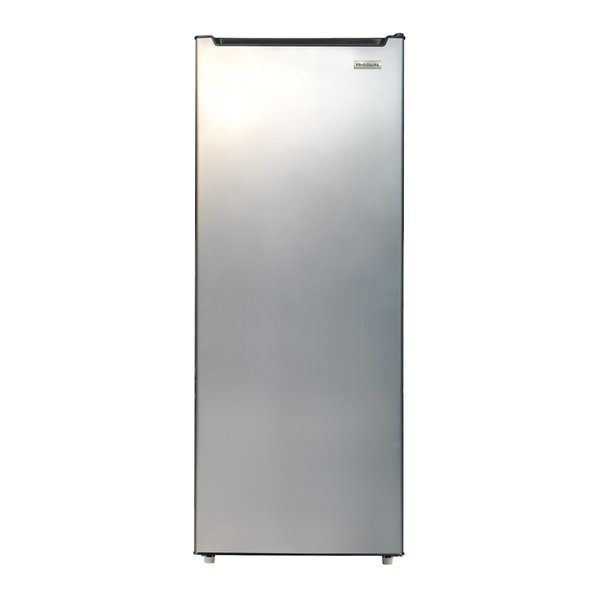
Whirlpool
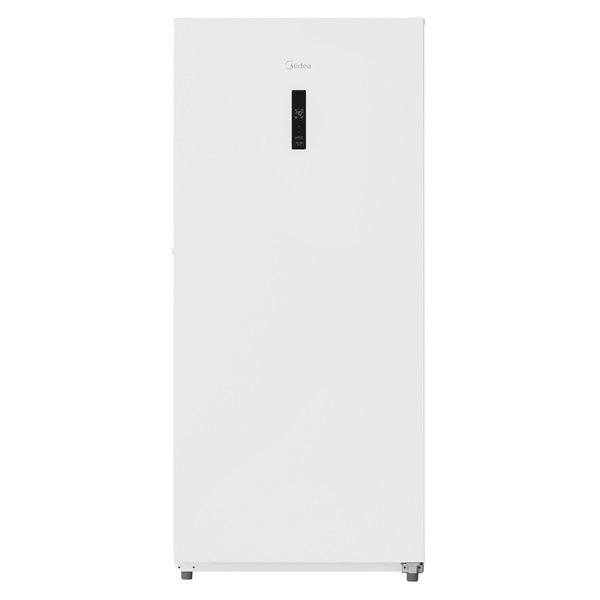
Midea · MRU21F5BWW
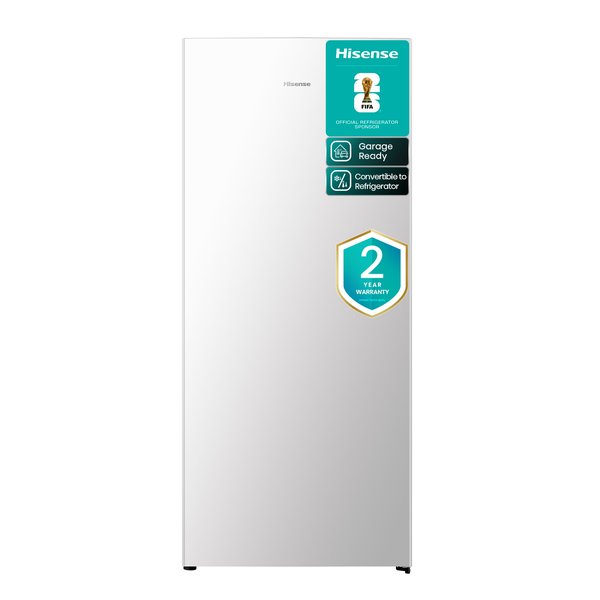
Hisense · FU140N3SWEL
No matches — widen the filters
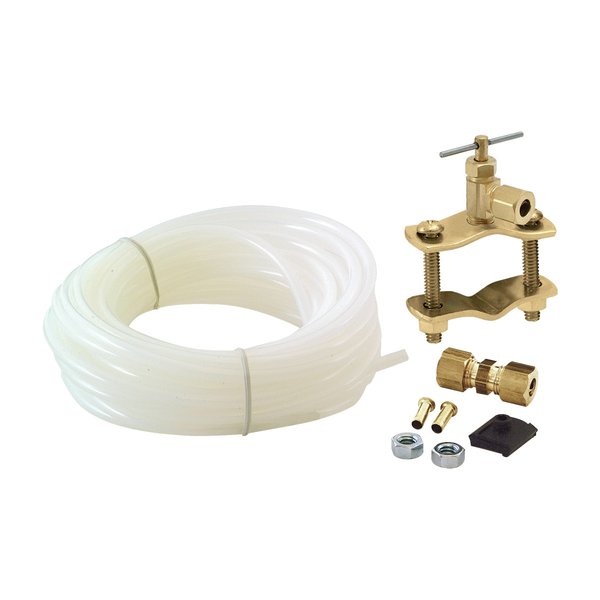
For hooking up the new fridge's ice maker
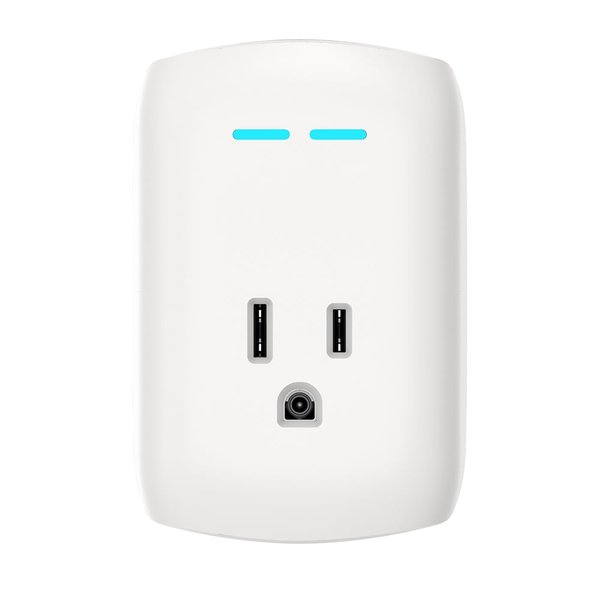
Cheap insurance for the boards I replace weekly
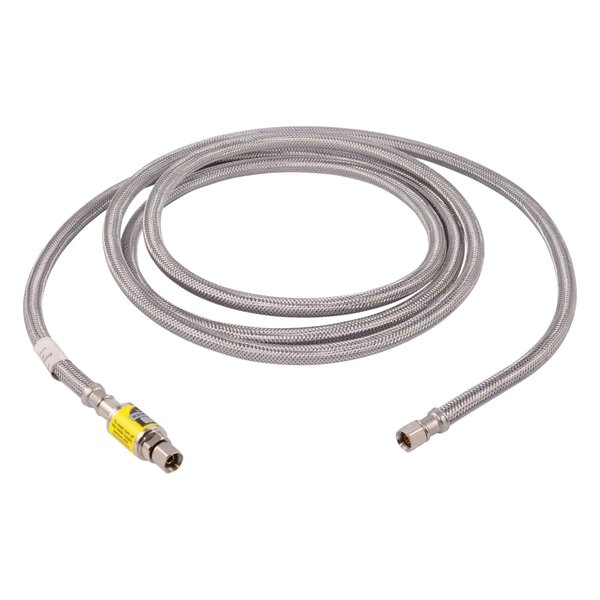
Steel-braided, won't kink or crack like poly
Chest freezers hold cold better, run cheaper, fit more per cubic foot, and keep food frozen longest in an outage — but you'll be digging for whatever migrated to the bottom. Uprights cost a bit more to run and lose cold faster when opened, but shelves mean you can actually find things. Deep storage: chest. Weekly rotation: upright.
It means the unit is rated to hold zero degrees in an unconditioned space across a wide ambient swing — roughly freezing winters through 100°F-plus summers. A standard freezer in a cold garage can be fooled by the ambient temperature into barely running, which slowly thaws your food. If the freezer is going anywhere but climate-controlled space, garage-ready isn't optional.
Frost-free uprights save you the twice-a-year ritual of emptying the freezer and chipping ice, at the cost of slightly higher energy use and a touch more freezer burn on long-stored food (the defrost cycles cause tiny temperature swings). Manual-defrost chest freezers are the long-term-storage gold standard. Convenience vs. storage quality — pick by how you use it.
A full freezer holds safe temperatures about 48 hours unopened; half-full, about 24 — food is its own thermal mass, which is why keeping a freezer full (even with water jugs) is genuinely useful. The rule that matters: don't open the door to check. If food still has ice crystals when power returns, it's safe to refreeze.